
 Billy
Billy Traditionally, gender stereotypes in perfumery dictate that:
- Feminine perfumes are floral, fruity, and sweet.
- Masculine ones are woody, spicy, and musky.
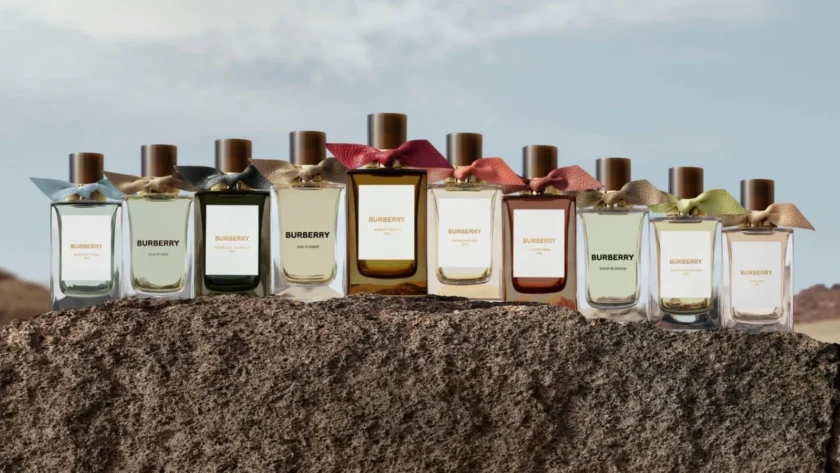
These traditional linkages have upheld societal expectations. They now limit choices and self-expression. In recent times, however, the industry has been forced out of its comfort zone. The trend for unisex perfumes values individuality. It makes consumers choose scents that transcend traditional gender roles. A context where sustainability and personalization are key makes fragrance marketing ‘inclusivist’. It is a cultural, social, and ethical issue. As a result, the fragrance world is embracing diversity. It now offers a better, more empowering experience for all, regardless of gender.
Cultural Shifts in Scent Preferences
Most people base their perfume preference on its cultural and historical influence. In certain regions, a rich, woody scent is a popular fragrance element for all genders. Other commonly favored elements include floral and spicy aromas, such as flowers and aromatic seeds. French perfumes are more floral, powdery, and musky. Italian perfumes use fresh, citrusy scents. Japan uses simple floral and green scents. China uses herbal and woody scents. India uses rich spices like cardamom and saffron. Ancient Egyptians used perfume in rituals. Romans used perfume as fashion.
Biological Effects on Fragrance Choices
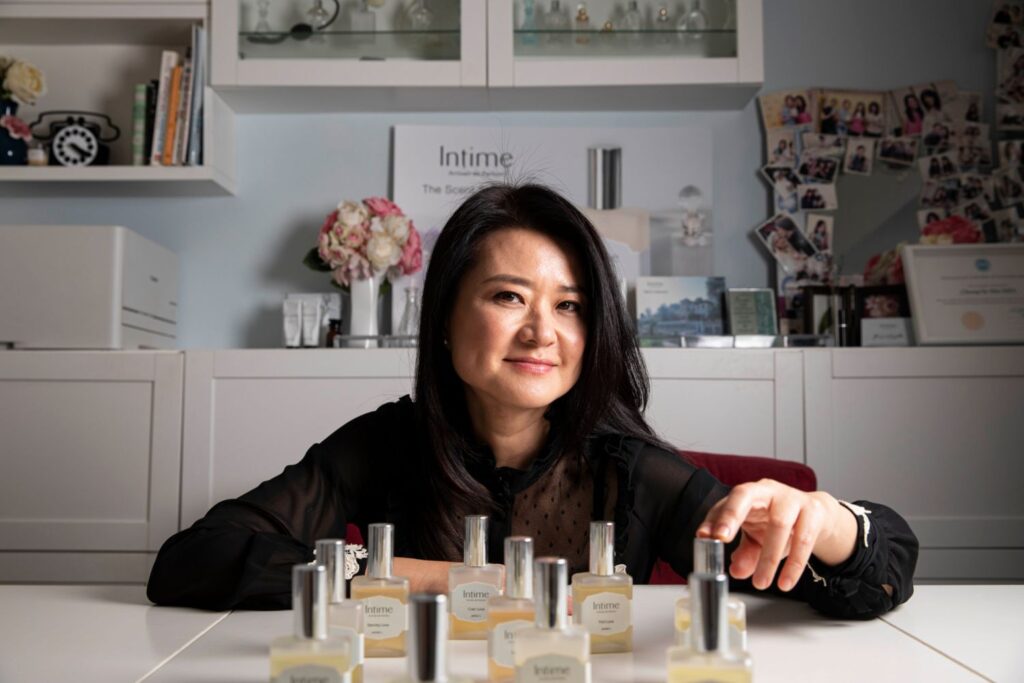
It is biologically influenced by hormones and pheromones. Hormonal changes, like those of puberty, menstruation, or menopause, may affect sensitivity to some odors. Pheromones are chemicals that help us communicate feelings of attraction. They may affect our preferences for certain fragrances. Our response to fragrance, and our emotions, come from biology, culture, and psychology. These will help you see how fragrance can stir emotions and influence decisions.
A person’s view of another’s scent can also influenced by culture, preferences, and context. A pleasant scent can enhance appeal and leave a lasting impression. Many believe it shows confidence, style, and sophistication. A subtle scent can add mystery. A strong or bad scent can be off-putting. Stereotypical fragrance associations can hurt a man’s appeal. Select a scent that represents one’s character. A carefully selected scent is a strong way to convey identity.
Psychology Behind Scent Perception
Psychological factors, like personality, mood, and self-image, affect fragrance choice. Extroverts may enjoy bold, attention-getting perfumes. Introverts may prefer subtle scents. Fragrance can be one aspect of expressing the self from the creative to the traditional. Also, fragrances influence mood. Lavender calms; citrus energizes. They affect choices and, thus, consumer behavior. Marketing increasingly uses fragrance’s psychological effect. Personalized scents create emotional connections and boost brand loyalty.
The Future of Fragrance Marketing
Traditional fragrance marketing has supported these gender differences. It uses delicate floral or fruity notes for feminine scents. It uses strong woody or spicy aromas for masculine ones. Such gendered marketing practices extended into packaging, color palettes, and even advertising imagery. But, as societal norms shift, so is the fragrance industry. It is moving to gender-neutral and unisex options. These reflect a trend toward inclusivity, individuality, and sustainability. They combine masculine and feminine notes into one. This lets buyers be unique without being judged by traditional norms. The hong kong perfume industry keeps evolving. It now offers more choices to fit diverse identities, values, and preferences.


